
CBRE Middle East, a global leader in commercial real estate, has released the latest edition of its Saudi Arabia residential and office real estate market report for Q3 2024.
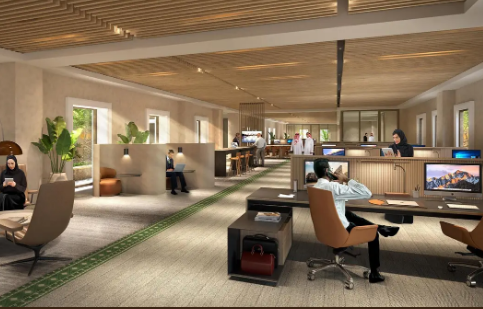
In the office sector, Riyadh remained the main focal point of occupier demand in Q3 2024. <In the office sector, Riyadh remained the main focal point of occupier demand in Q3 2024, while other cities in the Kingdom, including Jeddah and Al Khobar, were slightly less active, in line with the focus on government investment. Leasing activity is constrained by an acute shortage of office space available for rent, especially in Riyadh, where occupancy rates are approaching 100%, and accordingly, the trend of repurposing other real estate uses has continued, especially in the retail sector which has more occupiable, ready and available supply for leasing. Converting these spaces into flexible, serviced offices is relatively easy, as landlords seek quick solutions to the current scarcity of office space. Riyadh's average rents in the Luxury, Grade A and Grade B segments increased by 6%, 14% and 19%, respectively, as a result of the continued lack of supply driving up rental values. In Jeddah, Grade A and Grade B office rents increased by 5% and 21% respectively.
Market Residential Real Estate
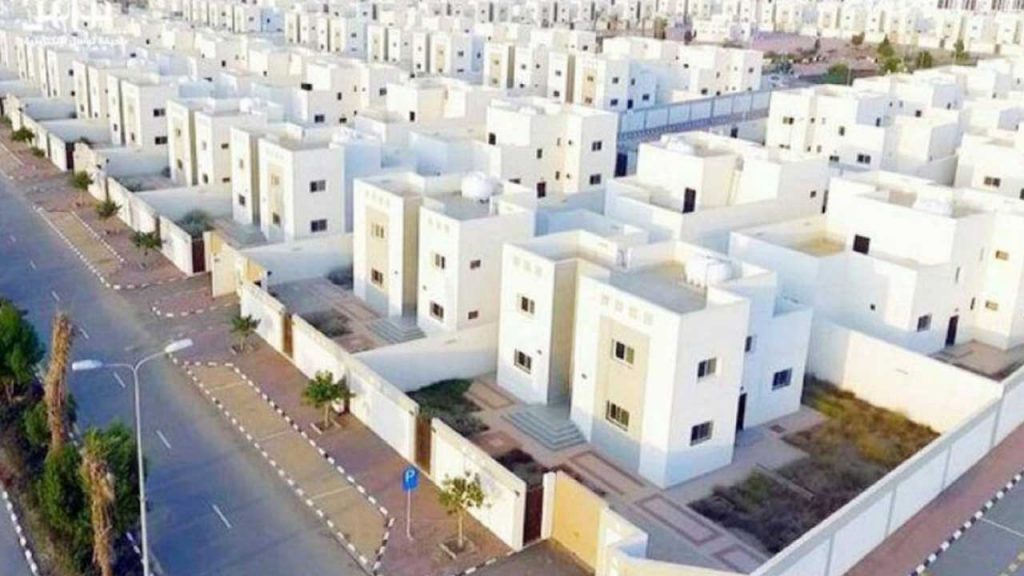
During the third quarter of 2024, Saudi Arabia's residential real estate market continued to show strong demand fundamentals, with year-on-year improvements in sales transaction volumes in major metropolitan areas such as Riyadh, Jeddah and Dammam. In the 12 months to Q3 2024, transaction volumes in Riyadh rose by 31% year-on-year to 24,000 sales transactions. The increase in Dammam was even higher, with growth amounting to almost 37% year-on-year over the same three-month period in 2023, reaching 3,200 transactions. The increase in Jeddah was lower but still positive, rising by 7% to more than 9,000 transactions. Average villa prices in Riyadh increased by over 5% in 12 months, with a further increase in value expected in 2025 as a result of the completion of newer, better quality inventory and continued limited supply and demand dynamics. The average sales value of villas is currently around SAR 6,000 per square meter, with a greater likelihood of an increase in the coming quarters. The increase in apartments was slightly lower at approximately 4% year-on-year, with prices now averaging approximately SAR 5,000 per square meter. In Jeddah, apartment prices are slightly lower, with average prices of approximately SAR 4,027 per square meter. However, villa prices are significantly higher at just over SAR 5,800 per square meter. <Looking at the hospitality sector, Saudi Arabia's tourism industry has continued to show strong growth, with 60 million tourists recorded during the first six months of the year, but occupancy rates are still experiencing a slight decline. However, both average daily rates (ADRs) and revenue per available room (RevPAR) continued to rise, reaching 2.3% and 0.7% respectively. The strongest market in terms of occupancy growth was Dammam followed by Jeddah. With tourism firmly at the forefront of Vision 2030, as a vehicle for economic and social development, the year-on-year increase in visitor numbers is expected to continue for the remainder of the year, with last year's numbers expected to improve comfortably.
Industrial and logistics sector
<In Saudi Arabia's industrial and logistics sector, the Saudi Industrial Cities and Technology Zones Authority (MODON) signed new deals worth SAR 2 billion with Al Badad to establish two new industrial cities in Makkah and Al Kharj, which will help boost the country's exports, especially to regional, African and other Western markets. These investments form part of the broader National Industry and Logistics Development Program, first launched in 2019, which aims to develop the Kingdom's energy, mining, industrial and logistics sectors, establish Saudi Arabia as a regional and global hub for industry, and create significant new jobs for the Kingdom's citizens.Matthew Greer commented. <Matthew Green, Head of Research for the Middle East and North Africa, commented: “The Saudi market has continued to benefit from a strong non-oil sector, which expanded by 4.3% per year to Q3 2024. This has been further supported by the ongoing investment push provided by the government, which continues to attract global occupiers to start doing business in the Kingdom. This has been notably beneficial for real estate in Riyadh, where office occupancy rates are approaching capacity and the availability of high-quality residential properties is similarly limited. While new supply will begin to enter the market in late 2025, these dynamics are likely to continue for the time being.”