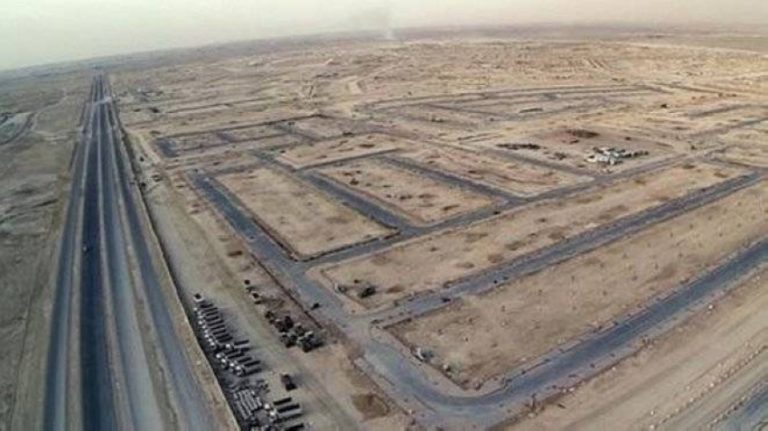

اختيار الأراضي المناسبة لبناء العقارات ليس مجرد خطوة أولى في مشروع عقاري، بل هو أساس نجاح المشروع نفسه. قد يبدو الأمر بسيطًا للوهلة الأولى، لكن اتخاذ القرار الصحيح يتطلب دراسة شاملة ومعرفة دقيقة بالعوامل المؤثرة في الأرض والموقع. من الموقع الجغرافي إلى القوانين التنظيمية، كل تفصيل يمكن أن يؤثر بشكل كبير على جدوى المشروع ومدى ربحه في المستقبل. فكيف يمكنك اختيار الأراضي المثالية؟ وما هي النصائح الأساسية التي يجب أن تضعها في اعتبارك لضمان نجاح استثمارك العقاري؟
كيفية اختيار الأراضي لبناء العقارات
1. الموقع الجغرافي:
يعتبر الموقع من أهم العوامل التي يجب أن تأخذها في الاعتبار عند اختيار الأرض. يجب أن تكون الأرض في موقع استراتيجي يسهل الوصول إليها ويخدم احتياجات السوق المستهدف. على سبيل المثال، إذا كنت تخطط لبناء مشروع سكني، فمن الأفضل اختيار مناطق قريبة من المرافق الحيوية مثل المدارس، المستشفيات، والمراكز التجارية. أما إذا كنت تفكر في بناء مشروع تجاري، فالمناطق التجارية الرئيسية أو بالقرب من الطرق السريعة قد تكون الخيار الأمثل.
2. البنية التحتية والطرق:
تأكد من أن الأرض التي تفكر في شرائها تقع في منطقة مع بنية تحتية قوية. يجب أن تكون الطرق الموصلة إليها في حالة جيدة، وأن تكون قريبة من وسائل النقل العامة. هذا يسهل وصول السكان أو المستأجرين للموقع ويزيد من جاذبيته.
3. الوضع القانوني للأرض:
قبل اتخاذ أي خطوة، يجب التأكد من أن الأرض لها أوراق قانونية سليمة وأنه لا توجد عليها أي نزاعات أو مشاكل قانونية. تأكد من أن الأرض خالية من أي رهن أو قضايا تتعلق بالملكية، وأنها مسجلة رسميًا في السجلات العقارية.
4. المنطقة المحيطة:
دراسة المنطقة المحيطة بالأرض أمر ضروري. من المهم أن تعرف مستوى التطور في المنطقة، ومدى استقرار السوق العقاري المحلي. تأكد من أن المنطقة تشهد نموًا حضريًا مستدامًا، أو أنها تقع في طريق التنمية المستقبلية التي قد تزيد من قيمة الأرض.
5. المساحة والشكــل:
قد يظن البعض أن الحجم هو المعيار الوحيد لاختيار الأرض، ولكن شكل الأرض يعتبر أيضًا عاملًا مهمًا. الأراضي ذات الأشكال المنتظمة مثل المربعة أو المستطيلة تكون أكثر مرونة في استخدامها مقارنة بالأراضي ذات الأشكال غير المنتظمة، مما يسهل التخطيط العمراني والتنفيذ.
6. التهديدات البيئية:
تأكد من أن الأرض ليست في منطقة عرضة للفيضانات أو الزلازل أو أي كوارث طبيعية أخرى. إذا كانت الأرض عرضة لتلك المخاطر، فإن تكلفة التأمين قد تكون مرتفعة، وقد يؤثر ذلك سلبًا على الجدوى الاقتصادية للمشروع.
نصائح لاختيار الأرض لبناء العقارات
1. التخطيط بعيد المدى:
تأكد من أن الأرض تقع في منطقة تتماشى مع خطط التنمية المستقبلية للمدينة أو المنطقة. الأرض التي قد تبدو غير جاذبة اليوم قد تصبح أكثر قيمة مع مرور الوقت إذا كانت المنطقة تنمو بسرعة أو ستشهد مشاريع تطوير كبيرة في المستقبل.
2. تحليل السوق المحلي:
قبل اختيار الأرض، قم بدراسة السوق المحلي بشكل جيد. تأكد من معرفة الطلب والعرض في المنطقة، وفهم الاتجاهات الحالية في السوق العقاري. فكلما كانت حاجة السوق للمشروع أكبر، كانت فرص النجاح أعلى.
3. التأكد من المخططات التنظيمية:
تحقق من المخططات العمرانية المحلية للتأكد من أن الأرض التي تفكر في شرائها مخصصة للاستخدام الذي تريده (سكني، تجاري، صناعي). قد تكون بعض الأراضي في مناطق ذات مخططات زراعية أو صناعية، مما قد يعيق تطويرها لعقارات سكنية أو تجارية.
4. استشارة الخبراء:
لا تتردد في استشارة خبراء في العقارات مثل المهندسين المعماريين والمطورين العقاريين. قد يكون لديهم نظرة متعمقة على التوجهات السوقية والفرص التي قد لا تكون واضحة للمستثمرين الجدد.
5. مراعاة التكاليف الإضافية:
عند اختيار الأرض، لا تقتصر حساباتك على سعر الشراء فقط. قد تترتب تكاليف إضافية مثل تكاليف تهيئة الأرض، أو تكاليف الحصول على تصاريح البناء، أو تكاليف البنية التحتية. تأكد من أن هذه التكاليف تمثل جزءًا من دراستك المالية للمشروع.
6. الدراسة الجيولوجية للأرض:
قبل شراء الأرض، يجب إجراء دراسة جيولوجية لفحص التربة. وجود تربة غير صالحة للبناء قد يترتب عليه تكاليف إضافية لعمل الأساسات، أو قد يؤدي إلى تأخير في المشروع.