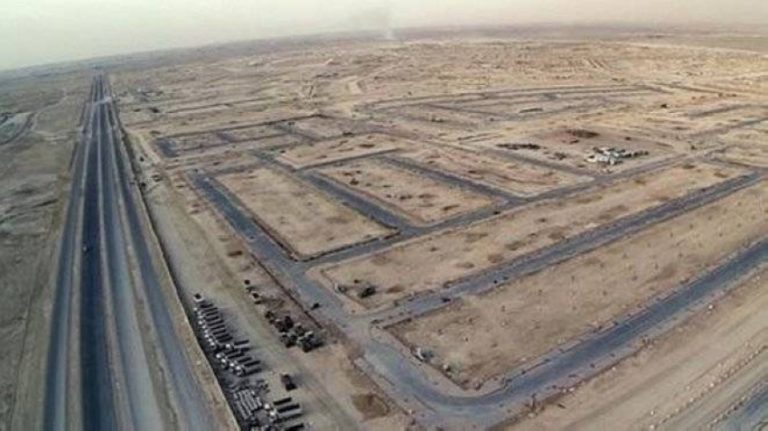

Choosing the right land for real estate construction is not just the first step in a real estate project, it is the basis for the success of the project itself. It may seem simple at first glance, but making the right decision requires a thorough study and knowledge of the factors affecting the land and location. From geographical location to regulatory laws, every detail can significantly affect the viability of the project and its future profitability. So how can you choose the ideal land and what are the key tips you should keep in mind to ensure the success of your real estate investment?
How to choose land for building real estate
1. Location:
Location is one of the most important factors to consider when choosing land. The land should be in a strategic location that is easily accessible and serves the needs of your target market. For example, if you are planning to build a residential project, it is best to choose areas close to vital facilities such as schools, hospitals, and malls. If you're thinking of building a commercial project, major business districts or near highways may be the best option.
2.
2. Infrastructure and roads:
Make sure that the land you are considering buying is located in an area with strong infrastructure. The roads leading to it should be in good condition and close to public transportation. This makes it easier for residents or tenants to access the site and increases its attractiveness.
3.
3. Legal status of the land:
Before taking any step, make sure that the land has proper legal papers and that it does not have any disputes or legal issues. Make sure that the land is free from any encumbrances or ownership issues, and that it is officially registered in the real estate records.
4.
4. Surrounding area:
Studying the area surrounding the land is essential. It is important to know the level of development in the area, and how stable the local real estate market is. Make sure that the area is experiencing sustainable urban growth, or is in the path of future development that may increase the value of the land.
5.
5. Size and shape:
Some may think that size is the only criterion for land selection, but the shape of the land is also an important factor. Land with regular shapes such as square or rectangular is more flexible in its use compared to land with irregular shapes, which facilitates urban planning and implementation.
6.
6. Environmental threats:
Make sure the land is not in an area prone to floods, earthquakes, or any other natural disasters. If the land is prone to those risks, the cost of insurance may be high, and this may negatively affect the economic viability of the project.
Tips for choosing land for real estate construction
1. Long-term planning:
Make sure the land is located in an area that is in line with the future development plans of the city or region. Land that may seem unattractive today may become more valuable over time if the area is growing rapidly or will see major development projects in the future.
2.
2. Analyze the local market:
Before choosing land, study the local market well. Make sure you know the demand and supply in the area, and understand the current trends in the real estate market. The greater the market need for the project, the higher the chances of success.
3.
3. Check the organizational charts:
Check the local urban plans to make sure that the land you are considering buying is zoned for the use you want (residential, commercial, industrial). Some land may be in areas with agricultural or industrial plans, which may hinder its development for residential or commercial real estate.
4.
4. Consult the experts:
Don't hesitate to consult real estate experts such as architects and real estate developers. They may have insight into market trends and opportunities that may not be obvious to new investors.
5.
5. Consider additional costs:
When choosing land, don't limit your calculations to the purchase price alone. There may be additional costs such as land preparation costs, building permits, or infrastructure costs. Make sure these costs are part of your financial study of the project.
6. Geological study of the land:
Before purchasing the land, a geological study should be conducted to examine the soil. The presence of unbuildable soil may result in additional costs for foundation work, or may lead to delays in the project.