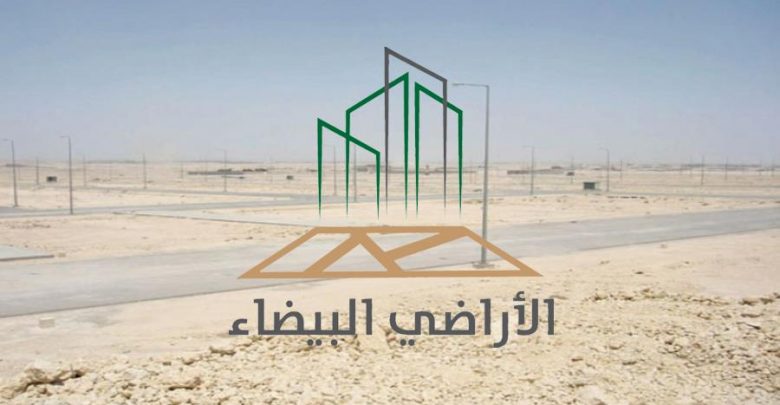
The White Land Tax program plays a pivotal role in promoting land development and increasing the real estate supply, thereby supporting a balance between supply and demand and driving urban development across the Kingdom. Implemented in multiple phases, the program aims to curb land speculation within urban areas and encourage real estate investment in line with the objectives of Saudi Vision 2030.
The White Land Program clarified that the process of assessing the value of lands subject to fees is based on their market value on the date of the official announcement of their inclusion under the system. The program indicated, via its official account on the X platform, that the assessment is subject to several key criteria to ensure fairness and transparency in calculating the fees.
Standards for assessing the value of undeveloped land
According to the program, the criteria for assessing land value include the following:
The land is located within the specified price range.
The nature of the land's terrain and how easy it is to develop.
The availability of public services and facilities such as roads, electricity, water and sanitation, and its proximity to essential service locations.

Gradual implementation across three phases
In accordance with the executive regulations of the White Land Fees System, the program is implemented in three phases, according to the land area and its development level, as follows:
Phase One: Includes undeveloped land with an area exceeding 10,000 square meters, provided that it is located within the urban area specified by the Ministry of Municipal and Rural Affairs and Housing.
Phase Two: This includes developed land with an area of 10,000 square meters or more, in addition to the total developed land belonging to one owner that amounts to 10,000 square meters or more in one plan within the urban area.
Phase Three: This includes developed lands with an area of 5,000 square meters or more, in addition to the total developed lands belonging to the same owner with an area of 10,000 square meters or more in one city, within the urban area determined by the Ministry.
Increase in real estate supply
Since its launch, the program has witnessed remarkable growth in the supply of developed land across various regions, directly contributing to:
Developing more than 75 million square meters of land.
Development work has begun on more than 48 million square meters.
Introducing more than 39 million square meters into the real estate market.
A key role in promoting urban development
Thanks to this progress, the program has become one of the most important regulatory tools that have contributed to revitalizing the real estate market and encouraging developers to invest in undeveloped land, which has positively impacted the increase in residential and commercial supply, enhanced ownership opportunities, and achieved a balance in land and real estate prices in a way that serves both citizens and investors.