
يُعَد مسجد الفتح في محافظة الجموم بمنطقة مكة المكرمة أحد المساجد التاريخية التي تشهد عملية تطوير شاملة ضمن مشروع الأمير محمد بن سلمان لتطوير المساجد التاريخية، الذي يهدف إلى إعادة إحياء المواقع الإسلامية التراثية وفق أعلى معايير الاستدامة، مع الحفاظ على طابعها العمراني الأصيل.
ويُرجّح أن النبي محمد صلى الله عليه وسلم قد صلَّى في هذا المسجد خلال عام الفتح، إلا أنه تعرض عبر القرون للهدم والخراب، قبل أن يُعاد بناؤه عام 1398هـ، ثم خضع لعملية ترميم عام 1419هـ. واليوم، يستعد المسجد لاستقبال مرحلة جديدة من التطوير، ستزيد مساحته من 455.77 م² إلى 553.50 م²، ما يرفع طاقته الاستيعابية من 218 إلى 333 مصلٍّ.
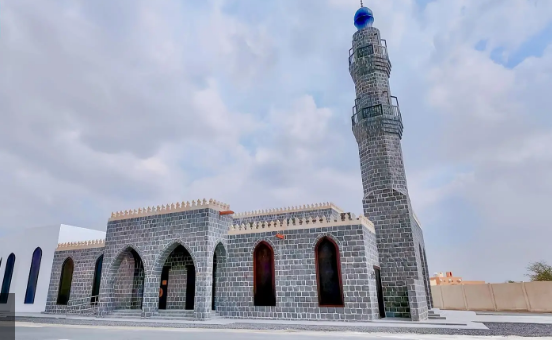
ويعتمد المشروع على استخدام مواد بناء طبيعية تتناسب مع الطراز المعماري للمنطقة الغربية، مثل الطوب، الحجر البازلتي، الجبس، والخشب، إلى جانب الرواشين والمشربيات، وهي شرفات خشبية مزخرفة كانت تُستخدم في تغطية النوافذ والفتحات الخارجية، ما يضفي لمسة جمالية تعكس أصالة العمارة الحجازية. كما تتميز هذه التقنيات بقدرتها على تحمل الظروف المناخية القاسية، مع توفير بيئة داخلية مريحة للمصلين.
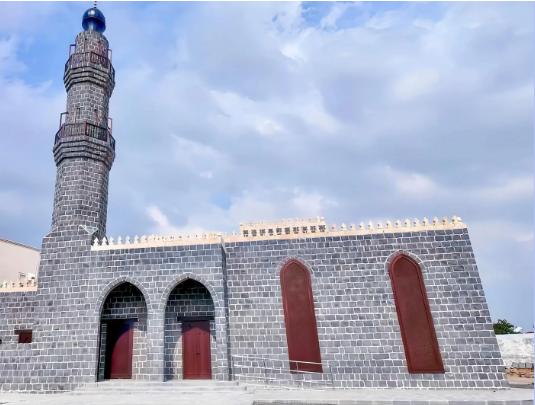
ويمثل مسجد الفتح جزءًا من المرحلة الثانية لمشروع تطوير المساجد التاريخية، التي تشمل 30 مسجدًا موزعة على 13 منطقة بالمملكة، من بينها 5 مساجد في مكة المكرمة، و6 في الرياض، و4 في المدينة المنورة، و3 في عسير، ومسجدان في كل من الشرقية والجوف وجازان، ومسجد واحد في كل من تبوك، الباحة، نجران، حائل، والقصيم. وتأتي هذه المرحلة استكمالًا للمرحلة الأولى التي شملت تأهيل 30 مسجدًا تاريخيًا في 10 مناطق.

ويسعى مشروع الأمير محمد بن سلمان إلى تحقيق أهداف رئيسية تشمل إعادة تأهيل المساجد التاريخية للعبادة، واستعادة أصالتها العمرانية، وإبراز البعد الحضاري والثقافي للمملكة، وتعزيز مكانتها الدينية. كما يركز على التوازن بين معايير البناء القديمة والتقنيات الحديثة، لضمان استدامة هذه المساجد مع المحافظة على عناصرها التراثية الفريدة.