
بينما كانت المنازل في الماضي تزدحم بالأثاث الثقيل والمزخرف، تتجه أنظار الجيل الجديد اليوم نحو البساطة، والوظائف الذكية، والتصاميم المرنة التي تتماشى مع إيقاع الحياة السريع والمساحات المحدودة. لم تعد قيمة الأثاث تُقاس بوزنه أو زخرفته، بل بما يقدمه من حلول عملية وأناقة عصرية. هذه التحولات ليست مجرّد ذوق، بل توجهات تؤثر على كامل صناعة الأثاث، من التصميم إلى التصنيع والتسويق. فماذا يريد الجيل الجديد من أثاثه؟ وكيف تستجيب الشركات والمصممين لهذه التحولات؟
في السنوات الأخيرة، برزت موجة جديدة في عالم تصميم الأثاث، يقودها الجيل الشاب من المستهلكين والمصممين على حد سواء. جيل يسعى إلى البساطة والعملية، ويريد أن يعيش في مساحات تعكس شخصيته وتواكب تطلعاته للحياة الذكية والمستدامة.
أولاً: البساطة والوظيفية أولًا
يُفضل الشباب اليوم قطع الأثاث البسيطة، ذات الألوان المحايدة أو الطبيعية، والتصاميم النظيفة الخالية من التعقيدات. لم تعد الأرائك الثقيلة أو الطاولات المزخرفة تتصدر المشهد، بل استُبدلت بقطع خفيفة سهلة الحركة ومُتعددة الاستخدامات.
وبؤكد عدد من المصممين أن “الطلب على الأثاث المودرن Minimalist يشهد قفزة واضحة، خاصة من فئة الشباب في الثلاثينيات. هم يريدون ما يُناسب نمط حياتهم الديناميكي، لا ما يناسب قاعات القصور القديمة”.
ثانياً: الأثاث الذكي.. التكنولوجيا تدخل غرفة المعيشة
يدمج الجيل الجديد احتياجاته الرقمية مع الأثاث، فتجد طاولات بشواحن لاسلكية مدمجة، أو أسرّة تحتوي على وحدات تخزين ذكية، أو حتى أريكة يمكن تعديلها تلقائيًا حسب وضعية الجلوس.
ويشير المصممون وصانعو الأثاث إلى أنالزبائن الشباب يسألون الآن: هل هذه الطاولة تحتوي على مخارج USB؟ أو هل يمكن طيّ هذه الأريكة لتتحول إلى سرير؟ لم تكن هذه الأسئلة موجودة قبل خمس سنوات.
ثالثاً: الاستدامة.. أولوية الجيل الواعي بيئيًا
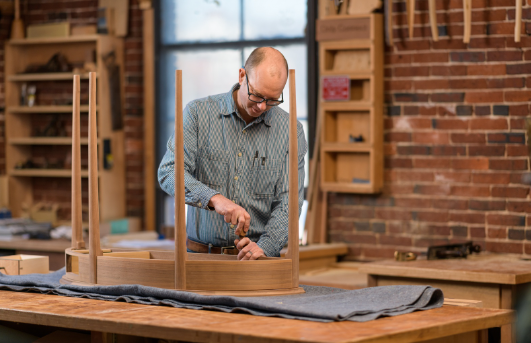
لم تعد الخامة وحدها معيارًا للجودة، بل مصدرها أيضًا. إذ يبحث كثير من المستهلكين عن أثاث مصنوع من خشب معاد تدويره، أو أقمشة صديقة للبيئة. هذا الاتجاه لا يُعبر فقط عن وعي بيئي، بل عن رغبة في دعم العلامات التي تتبنى نهجًا أخلاقيًا في الإنتاج.
في هذا السياق، تقول المهندسة دينا فوزي، المتخصصة في التصميم الأخضر، إن “الشباب يميلون إلى المنتجات التي تترك أثرًا بيئيًا أقل، حتى وإن كانت أغلى قليلاً. إنهم لا يشترون فقط قطعة أثاث، بل يشترون قصة واستدامة”.
رابعاً: التخصيص والهوية الفردية
الجيل الجديد يرفض القوالب الجاهزة. يريد أثاثًا يعكس ذوقه، وقطعه الخاصة التي يختار ألوانها وتفاصيلها. لذلك، اتجهت العديد من الشركات إلى إتاحة خدمات “تصميم حسب الطلب” وفتح الباب أمام التخصيص الجزئي أو الكامل.
يُلاحظ هذا الاتجاه بشدة في غرف الشباب وغرف المعيشة، حيث يُفضل الزبائن تخصيص المساحات لتناسب احتياجاتهم سواء للعمل من المنزل أو ممارسة هواية أو الاسترخاء.
كيف استجابت الشركات والمصانع لهذه التحولات؟
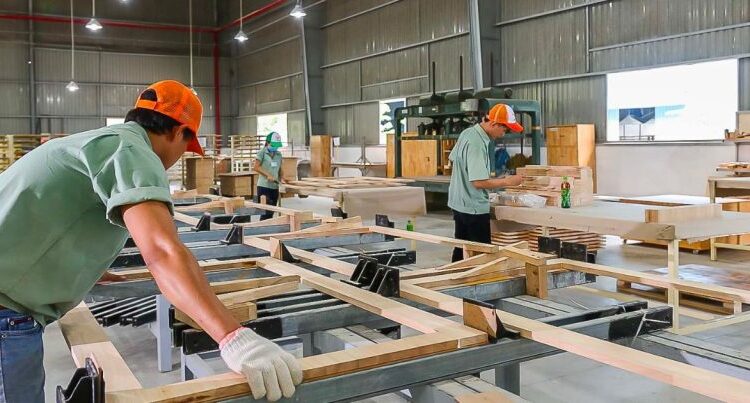
تحولت بعض مصانع الأثاث الكبرى إلى إنتاج خطوط جديدة تستهدف الجيل الجديد، وتستخدم التكنولوجيا في التصميم والتسويق. كما نشأت علامات تجارية شبابية بالكامل تقدم تصاميم عصرية بأسعار معقولة، وتتبنى التوصيل السريع والتسوق عبر الإنترنت.
إحدى هذه الشركات، تقول في بيان تسويقي لها: “نحن لا نبيع أثاثًا، بل نساعدك على بناء مساحة تعبّر عنك”. هذا الشعار يلخص ما يبحث عنه المستهلك الحديث: علاقة شخصية مع المكان الذي يعيش فيه.