<The latest update of the Saudi Economic Pulse issued by the
Ministry of Economy and Planning showed that the
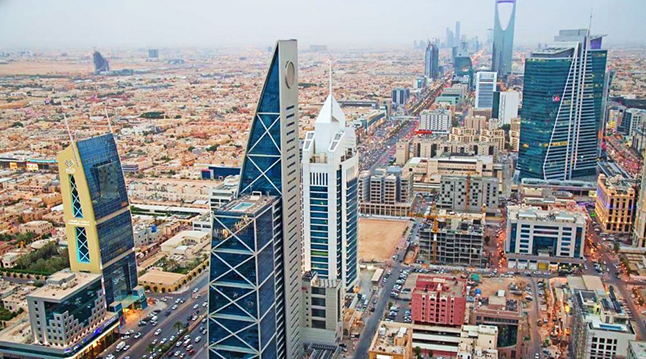
real estate price index in the Kingdom rose to 104.9 points during the first quarter of this year, registering a quarterly growth of 0.7 % and an annual increase of 4.3 %. These figures confirm that
the Saudi real estate market is on a gradual and balanced upward trajectory, supported by a package of financing, regulatory and governmental factors that continue to stimulate demand and maintain price stability.
Solid demand and easy financing
<Many experts attribute this balanced rise to the solid demand for housing units, especially from young people and families looking for a first home. With the continuation of financing programs supported by banks and financing bodies, the purchasing power of citizens has become more flexible, which is directly reflected in the buying and selling movement and keeps prices from sharp jumps.
Government control and clear vision
<Regulatory authorities, led by the Ministry of Municipalities and Housing and the General Real Estate Authority, are working to regulate the market through initiatives that promote transparency and prevent unhealthy speculation. This effort serves Vision 2030"s goal of raising the homeownership rate to 70 percent by the end of the decade, making price stability a priority that intersects with the interests of developers and buyers alike. Regulators, led by the Ministry of Municipalities and Housing and the General Real Estate Authority, are working to stabilize the market through initiatives that promote transparency and prevent unhealthy speculation.
Important indicator and a clearer picture for investors
The real estate price index is one of the essential benchmarks that local and foreign investors follow to anticipate inflation trends in the residential and commercial sectors. Amid frequent updates to market regulations, the index gives investors a clearer reading on the feasibility of injecting capital into new development projects or existing portfolios.
Stimulus programs and accelerated infrastructure
In recent years, the market has received extensive government support, most notably the »Residential" program, which provides ready-made units and developed land, as well as the "Mortgage Finance Support" initiative, which lowers the cost of housing loans and increases purchasing power. In parallel, major cities have witnessed a boom in infrastructure projects, which has added value to residential and commercial schemes and contributed to the attractiveness of sites under development.
Record activity in documentation and brokerage
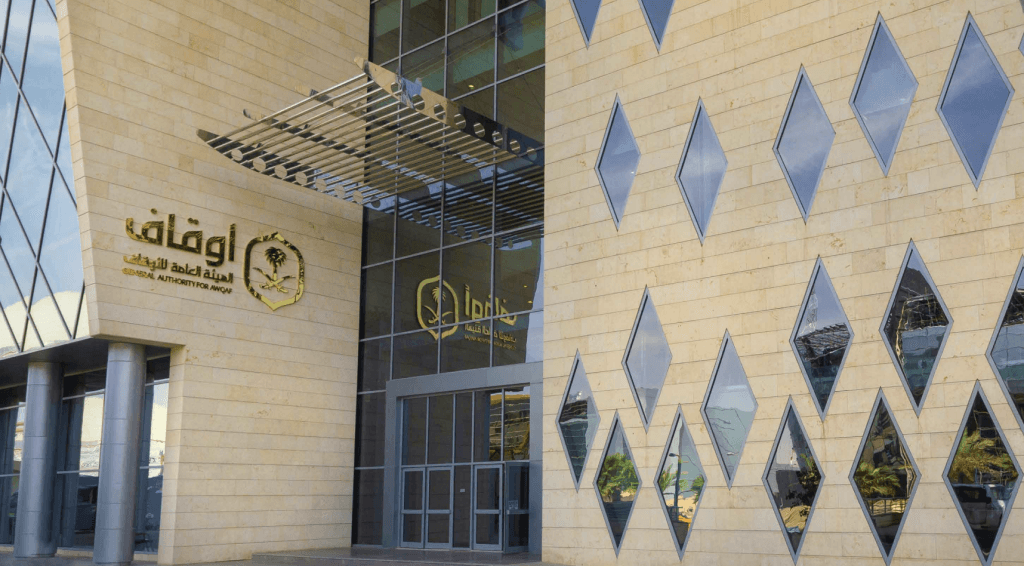
<In another sign of the market's vitality, the General Authority for Real Estate announced at the end of April that more than 96,000 real estate brokerage contracts were registered during the first quarter of 2025, a remarkable increase of 97 % compared to the same period last year. This record growth reflects the rising demand from investors and developers, as well as the growing confidence in the regulatory environment, which has been boosted by new legislation and electronic documentation platforms.
Stability without bubbles
<The balanced growth trajectory reinforces the hypothesis that the Saudi market is far from forming price bubbles, as increases remain within acceptable ranges and are managed with financing mechanisms that take into account the risks of leverage for individuals and companies. Prudent monetary policies have also contributed to containing inflation rates, making the increase in prices reflect the real value of assets rather than short-term speculation. An analyst expects the Saudi market to avoid the formation of price bubbles.
<Analysts expect the index to continue its upward trajectory at a similar pace in the coming quarters, driven by mega government projects such as NEOM, Qiddiya and the Red Sea, as well as the expansion of developers in medium and small cities to meet growing demand. With government commitments to continue to support and enable financing solutions, the Saudi market looks set to enter a dynamic equilibrium phase that maintains investment attractiveness and protects the consumer at the same time.