
Regulations and orders push the real estate market towards balance and sustainability
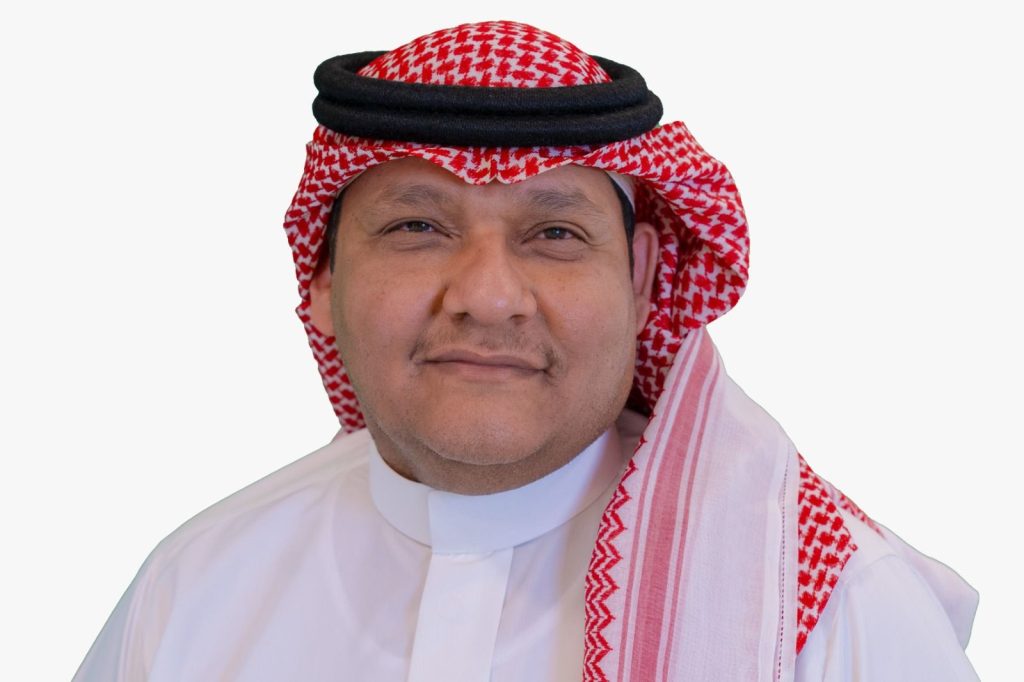
Dr. Khalid bin Saad Al Habshan
The real estate market in the Kingdom of Saudi Arabia has witnessed in recent years a radical transformation that was not by chance, but came as a result of a clear strategic vision adopted by the state to promote a safe, organized and sustainable investment environment, this transformation started from a deep understanding of the market's need for more flexible and disciplined legislation and regulatory institutions that keep pace with the acceleration of urban and economic development, and therefore, efforts did not stop at enacting regulations only, but went beyond them to establish specialized bodies and adopt systemic tools capable of keeping pace with the real estate boom witnessed by the Kingdom within the targets of Vision 2030.
Dr. Khalid bin Saad Al Habshan
Modernizing the statutory and regulatory structure of the real estate sector
<Within the framework of this vision, the state has paid great attention to modernizing the legal and regulatory structure of the real estate sector. A number of essential regulations have been issued, such as Real Estate Registration System, which is a qualitative leap in documenting real estate ownership and reducing disputes. The real estate brokerage system was also developed, which contributed to regulating the brokerage market and providing a more transparent environment between buyers and sellers, which directly reflected on the reliability of the market and increased the confidence of investors, whether local or foreign.
<Among the most prominent entities established to achieve this transformation is the Public Authority for Real Estate, which has assumed responsibility for regulating and developing the real estate market and supervising the application of relevant regulations, in addition to its pivotal role in preparing policies and executive regulations that contribute to achieving a balance between supply and demand. The Ministry of Justice, in cooperation with the Authority, also launched the digital platform, which facilitated the transfer of real estate ownership electronically and reduced reliance on traditional paper procedures, which contributed to accelerating the sale and purchase processes and reducing manipulation rates.
Strengthening documentation and control tools
Because real estate investment is an important economic pillar, the state has been keen to strengthen documentation and control tools through initiatives such as Ihkam, which has achieved its goal of limiting and documenting unregistered land and correcting ownership conditions in accordance with judicial and regulatory systems, which created realistic solutions to chronic real estate issues that represented an obstacle to investors and developers alike.
The real estate ownership system has also been adopted.
The system of ownership, sorting and management of real estate units was also adopted, which is an important regulatory tool to regulate the relationship between owners of common units, protect rights, and define responsibilities, which increased the quality of life of residents and enhanced the ability of developers to market their projects according to clear and binding legal frameworks.
Believing in the importance of transparency, a « real estate index was developed that is periodically updated and presents accurate details about prices and transactions in various cities and regions, providing investors and decision makers with reliable data that helps them make informed decisions based on factual data.
Opportunities for developers and investors
<The private sector has played a pivotal role in driving real estate development, becoming a key partner in achieving the country's goals by providing quality projects, huge investments, and innovative solutions in the fields of housing, commercial and tourism development. The new regulatory environment has given developers and investors the opportunity to expand their activities with confidence, in light of the clarity of procedures and the existence of fair controls that protect everyone. Partnerships between government agencies and real estate developers have also contributed to accelerating the implementation of major projects and achieving diversity in real estate products to meet the needs of all segments of society.Despite these positive developments, the real estate market is not without existing challenges, the most important of which are the price disparity between regions, the difficulty of owning housing for a segment of citizens in some cities, in addition to the limited supply of developed land in some vital locations, which puts pressure on prices. The market also faces challenges related to the speed of response of some service agencies and the integration of technical systems, which requires continued work to improve procedures, achieve full electronic linkage, and provide accurate data that enables the investor to see the future.
The real estate market has recently witnessed bold and influential steps, most notably the directive of His Highness Crown Prince Mohammed bin Salman, may God protect him, regarding the release of white lands in the north of Riyadh and setting a price ceiling per meter not exceeding 1500 riyals, in a strategic step aimed at breaking the monopoly and enhancing supply, which led to a remarkable decrease in real estate prices that reached in some areas to nearly 50% compared to the previous price, and the northern areas recorded an additional decrease of more than 20%, which gradually restored balance to the market, opening the door for a larger segment of citizens to own housing.
In another supportive step to stimulate the market and diversify sources of investment, the Council of Ministers issued a decision a few days ago to allow foreigners to own real estate in the Kingdom under clear and regulated conditions, a decision that is expected to contribute to attracting new foreign capital and moving the real estate market, especially in major cities and tourist areas, thus strengthening the Kingdom's position as a promising real estate and investment destination at the regional and international level.
.
@AlhabshanDrFeatures of the Saudi experience
<What distinguishes the Saudi experience in regulating the real estate market is not only the strength of regulations, but also the integration of efforts between government agencies, the adoption of the latest digital technologies, and the provision of an incentive environment for investors based on justice and equal opportunities, making the Kingdom a promising real estate environment with increasing attractiveness at the regional and international level.
In light of these facts, real estate regulation is no longer a burden or a hindrance as previously perceived, but has become the most important tool for building a stable market, minimizing risks, and enhancing growth opportunities. Regulation is no longer just regulations, but a means to distribute opportunities fairly and open the way for the private sector to innovate and compete within a clear and stable legal framework.
With the state's continued efforts to modernize regulations, activate oversight, and empower regulators with effective tools, the Saudi real estate market is moving towards a new stage of maturity, characterized by balance and transparency, establishing an investment environment that is the best in the region, and making real estate not only a safe haven, but a smart and sustainable investment path for those who understand the system and read its trends.