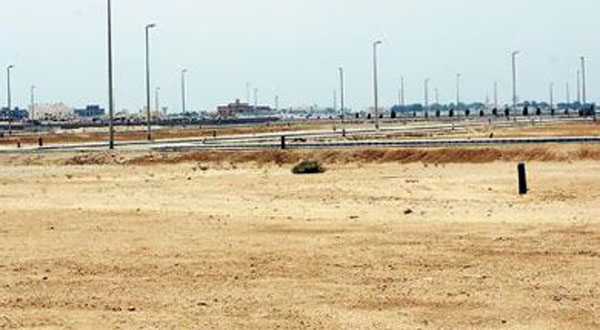

Riyadh – Amlak Newspaper: At the start of the new year 2026, the real estate sector witnessed a surge of activity that fueled heightened interest and expectations; this was due to the issuance of more than 60,000 bills for undeveloped land fees as part of the third phase of the system’s implementation, placing real estate companies under scrutiny regarding their financial compliance or development commitments.
The era of holding land for free is over
The wave of «white invoices» coincided with recent disclosures on the Saudi Stock Exchange (Tadawul); which were not merely passing figures, but rather a precise analytical indicator of a radical shift in real estate asset management strategies, as «land holding» is no longer free—it has become costly and eats into a substantial portion of capital.
«Inmar Development»… and the 21-million shock
In one of the most candid disclosures, «Inmar for Development and Real Estate Investment» revealed that it had received bills totaling more than 21.2 million riyals. This figure, which some might view as merely a budget line item, represents, in financial terms, «direct pressure» on cash flow.
Although the company’s management was quick to reassure investors that it would exercise its right to «object» based on the existence of projects under development, analysts believe that the mere issuance of the bill puts the «stock» under psychological and financial pressure until a final decision is reached.
«Riyadh Development»... Transparency Reveals the Scale of the Challenge
For its part, «Riyadh Development» set an example of transparency by disclosing the size of its portfolio subject to the fees, noting that more than 850,000 square meters are subject to the system, distributed across various urban zones.
What is notable about «Riyadh for Reconstruction’s» announcement is the reference to land falling into the «highest bracket» (10%), which reflects the Ministry’s seriousness in targeting land located in the midst of completed urban blocks to push owners toward compulsory development or sale to increase supply.
«Dar Al-Arkan»… At a Crossroads
All eyes are firmly on «Dar Al-Arkan,» which owns one of the largest real estate portfolios in the Kingdom. With the implementation of the new price brackets and the expansion of price ranges in Riyadh and Jeddah, financial experts believe the company may be at a crossroads: either accelerate the pace of converting raw land into finished products (which it has already begun to do), or bear the costs of fees that could erode profit margins if they are not exempted.
Three Scenarios in the Financial Statements
Financial analysis of the companies" situation following these announcements points to three expected outcomes by 2026:
Pressure on liquidity: Companies that do not have sufficient »cash" may be forced to liquidate part of their land at prices that may be below market value to pay their bills.
Decline in net profits: If the appeals fail, these fees will be recorded as »expenses" deducted directly from profits, which may affect shareholder dividends.
Driving Development: This is the program’s ultimate goal; we are expected to see a series of announcements regarding partnerships to develop undeveloped land in order to avoid »fee liability."
Conclusion:
White land fees are no longer merely a »theoretical system«; they have become an established accounting reality in companies» books. The coming days will be decisive in determining who succeeds in «developing» their assets to survive, and who will be forced to "pay" from their profits.