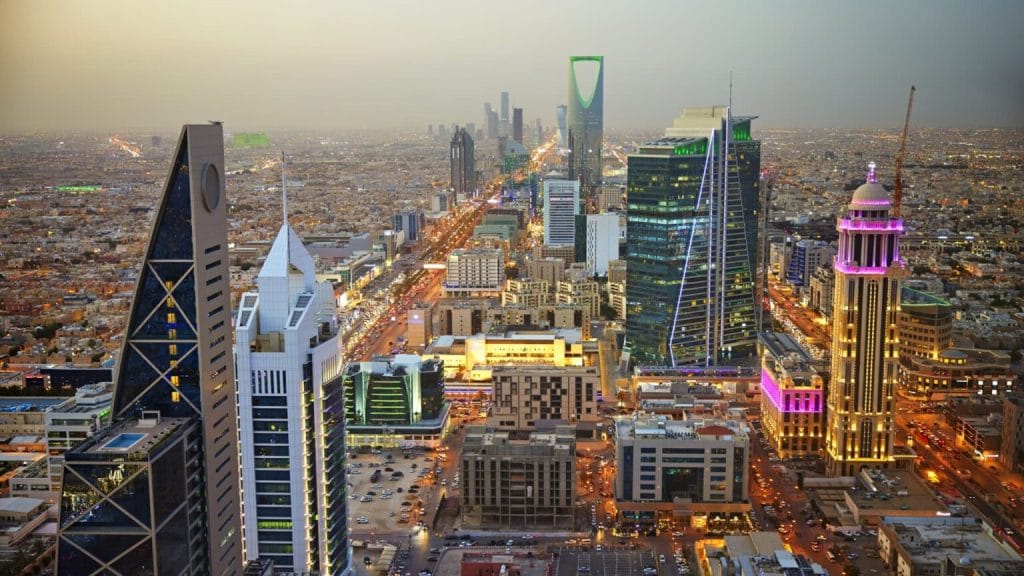

Real Estate Balance Program its second year in Riyadh, continuing an initiative aimed at rebalancing supply and demand in the real estate market by increasing the supply of planned residential land and offering it at prices not exceeding 1,500 riyals per square meter, The program aims to provide between 10,000 and 40,000 plots of land annually for a period of five years, which will help stabilize the real estate market and shift the program’s impact from merely providing new housing options for citizens to influencing market dynamics, land and property prices, and developers" decisions.
As the program enters its second year, there are signs that increasing supply has become one of the main tools for restoring stability to the market, particularly in Riyadh, which has seen significant increases in land values and housing costs in recent years. Consequently, the program’s impact is not limited to those who directly benefit from the land but extends to landowners, developers, and buyers, and may reshape the real estate development landscape in the capital in the coming years.
Increasing Supply to Counter Rising Prices
The program Real Estate Balance is based on the fundamental idea of increasing the supply of residential land available to citizens, thereby helping to narrow the gap between growing demand and the supply of developed and planned land. The Royal Commission for Riyadh City aims to provide between 10,000 and 40,000 plots of land annually, with the price per square meter not exceeding 1,500 riyals, while allowing the land to be utilized in accordance with the program’s approved mechanisms and regulations.
This step takes on particular importance in a market where residential unit prices are heavily linked to the cost of land, as land represents one of the main components of project development costs. Consequently, increasing the supply of land available at fixed prices could gradually put downward pressure on land prices in areas where buyers now have a new alternative.
This does not necessarily mean that all land prices will drop immediately, as the impact varies depending on location, land quality, and demand levels; but the wider range of options available to buyers and developers could limit the ability of some landowners to impose rapid price increases.
Land Prices Enter a New Phase
The land market is one of the markets most affected by policies aimed at increasing supply, and therefore the Real Estate Balance Program represents an important test of the ability of government interventions to recalibrate prices.
Offering planned residential land at prices not exceeding 1,500 riyals per square meter creates a new price benchmark for a segment of the housing demand, especially for citizens eligible for the program. As the offerings continue on an annual basis, pressure on land prices for properties with similar uses and locations could increase, especially if buyers are presented with a less expensive alternative that offers greater clarity regarding allocation and development procedures. This could also prompt owners of undeveloped land to reassess their retention strategies—whether by putting the land up for sale or accelerating its development—rather than waiting for future price increases in a market experiencing an expansion in supply.
Potential Impact on Real Estate Prices
The impact of land extends beyond its price alone, as the cost of land is ultimately passed on to the price of the residential unit purchased by the citizen. When the cost of acquiring land decreases or stabilizes, developers have greater leeway to control the final cost of the project, which may help them offer units at more competitive prices. Furthermore, an increase in the supply of land allows for the development of new projects, rather than concentrating demand on a limited number of areas and existing projects.
This coincides with a record decline in real estate prices in the Kingdom during the first quarter of 2026, according to data cited in the article under analysis, with the residential sector—including land, villas, and apartments—experiencing the sharpest decline. In Riyadh, the decline in real estate prices reached approximately 4.4% during the same period, which, along with other market factors, reflects a trend toward stabilizing price levels after a period of increases.
However, it is premature to consider the Real Estate Balance Program alone as the direct cause of every price movement, as numerous factors influence property values, including financing rates, construction costs, income, demand levels, project locations, and other regulatory decisions.
Developers Face a Different Equation
The program also represents a significant shift in the environment in which real estate developers operate. In markets where land costs are rising, developers are forced to pass on a significant portion of those costs to the final unit price, which may reduce a segment of buyers" ability to access residential properties.
However, with the increase in developed and planned land and its availability at fixed prices, developers" calculations may change, especially in projects targeting the mid-range market.
This may prompt development companies to reevaluate the scale of their projects, their designs, and unit sale prices, placing greater emphasis on products that align with buyers" purchasing power. Furthermore, the expansion of the land supply could lead to increased competition among developers, as securing land alone will no longer be sufficient to achieve high returns; rather, the speed of development, product quality, and price will become more important factors in attracting buyers.
Is undeveloped land heading to the market?
One potential impact of the program is a change in the behavior of undeveloped land owners. As the supply of zoned land increases and the likelihood of continued rapid price increases diminishes, holding onto land for long periods for speculative purposes may become less attractive than developing it or putting it on the market.
This intersects with amendments to the vacant land fee system, which aim to increase the efficiency of unused land and incentivize owners to develop it, thereby adding another source of increased supply alongside the land provided by the Real Estate Balance Program. This creates a relatively integrated policy framework: new land for beneficiaries, incentives for developing existing land, and market regulation—which, over time, may lead to an increase in available land and housing units and a reduction in supply bottlenecks.
The Biggest Bet on Housing Supply
The volume of real estate supply remains the most important factor in assessing the program’s long-term results. Providing land does not automatically mean an increase in ready-to-move-in housing units, as the land, once allocated, requires stages of planning, design, financing, and construction before it can be transformed into actual housing.
For this reason, the program’s full impact may emerge gradually as land moves from the allocation stage to development and then construction.
The faster this cycle accelerates, the greater the program’s impact on the actual housing supply—not just on the land market. This will create a wider range of options for families, increase competition among projects, and alleviate price pressures in areas where demand is high.
A Sustainable Impact on the Real Estate Market
With the start of the second-year application period, the Real Estate Balance Program enters a more critical phase; The first year laid the groundwork for the mechanism, while the continuation of the offering will allow us to gauge the program’s ability to have a sustainable impact on the market.
Applications for the second year will be accepted from 3:00 p.m. on Sunday, August 16, 2026, through Tuesday, September 15, 2026, via the Real Estate Balance platform, with applicants subject to eligibility verification before results are announced, an electronic lottery is conducted for eligible recipients, and off-plan sales procedures are completed in accordance with approved regulations.
Eligibility requirements include that the applicant be a Saudi national, married or at least 25 years of age, have no prior real estate ownership, have resided in Riyadh for at least 3 years, and meet all other regulations.
Priority is not determined by the order of registration; rather, those who previously applied in the first year, were found eligible, and participated in the electronic lottery are included in the approved track for the second year.
Supporting Homeownership and Resetting the Real Estate Market
Ultimately, the Real Estate Balance Program goes beyond the idea of providing land to beneficiaries to an attempt to influence the behavior of the real estate market as a whole. Increasing the supply of land can ease pressure on land prices, and lower land costs can be reflected in development costs, while increased competition among developers broadens the options available to buyers.
However, the program’s success in achieving sustainable balance will not be measured solely by the number of land plots made available, but rather by its ability to transform available land into actual housing projects and units that reach the market at affordable prices.
As the program enters its second year and policies aimed at increasing supply, developing land, and regulating the market continue, Riyadh appears to be entering a new phase in which rapid price increases may become less sustainable, while competition is gradually shifting toward providing housing that meets beneficiaries’ expectations in terms of price, location, and quality.