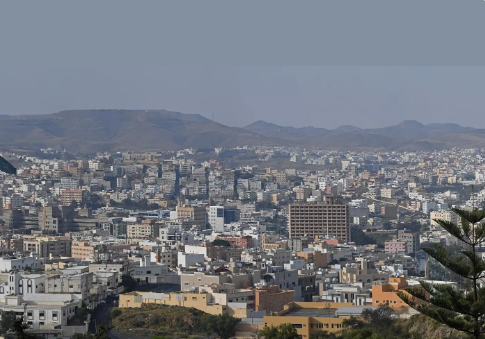

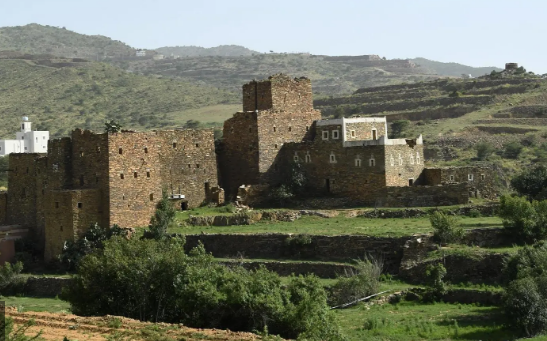
بأفكار هندسية سبقت عصرها وجماليات عمرانية متفردة، صمدت منازل وقلاع وحصون منطقة عسير أمام تحولات الزمن وقساوة المناخ، من أمطار غزيرة إلى رياح عاتية. وقد أبدع المعماريون الأوائل في تشييد مبانٍ تتناغم مع البيئة الجبلية، باستخدام خامات محلية وتقنيات بناء تجمع بين المتانة والجمال والخصوصية الثقافية، مما جعلها نماذج معمارية تحتفظ برونقها حتى اليوم.
خريطة العمارة السعودية
ويأتي إطلاق سمو ولي العهد الأمير محمد بن سلمان بن عبدالعزيز آل سعود لخريطة العمارة السعودية ليعيد لهذا التراث العمراني ألقه، من خلال توثيق 19 نمطًا مستلهمًا من الطابع الجغرافي والثقافي لكل منطقة، بما في ذلك منطقة عسير. وتُعد هذه الخريطة مرجعًا تصميميًا يستهدف الارتقاء بجودة البيئة العمرانية، وتوجيه الممارسات المعمارية نحو إبراز الهوية المحلية لكل موقع.
وتتضمن الخريطة العمرانية “موجهات تصميمية” تُبرز الجذور التاريخية وتربطها بالممارسات المعمارية الحديثة، عبر مفاهيم تجمع بين الأصالة والتجديد، والارتباط بالتضاريس والطبيعة المحيطة، لإنتاج مبانٍ تنبض بروح المكان.
وفي ظل عقود من أعمال الترميم التي تفاوتت في جودتها، تأتي هذه الخريطة لتمنح المشهد المعماري إطارًا علميًا يحفظ الهوية ويضبط عمليات التأهيل. وقد أشار الباحث في التراث المعماري د. علي ثويني إلى أهمية العودة لمواد البناء الأصلية وتقنيات التنفيذ التقليدية عند ترميم المباني، مع ضرورة إسناد المهام لفرق ماهرة، بما يضمن دقة التنفيذ ويحافظ على القيمة الثقافية.
أساليب التعامل مع المواقع والقرى التاريخية
كما أوضح في كتابه “التراث العمراني في عسير” أساليب التعامل مع المواقع والقرى التاريخية، كالتجديد الحضري وإعادة التأهيل والترميم، والتي تساهم في إبراز القيمة الوظيفية والجمالية والاستثمارية لتلك المواقع. ويؤكد أن الحفاظ على الطابع المعماري يتطلب إعادة بناء العناصر المفقودة بأسلوب يحترم الأصل، مع تجديد المرافق المحيطة وتهيئتها للاندماج مع الحاضر.
ويتميز الطراز العمراني في عسير بعناية فائقة بالتفاصيل الزخرفية؛ من الأبواب المنقوشة إلى النوافذ المزينة، حيث برع النجارون في تحويل الخشب – وخاصة خشب “الطلح” – إلى لوحات فنية مستوحاة من الزخرفة الإسلامية. هذا الخشب الصلب سهل التشكيل مكّن الحرفيين من إبراز نقوش معقدة على إطارات الأبواب والنوافذ، فيما أُنيط تزيين النوافذ الداخلية بربّات المنازل في لفتة مجتمعية تعكس التشارك الجمالي.
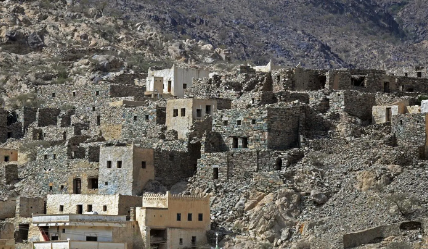
تبدأ رحلة بناء هذه التحف المعمارية باختيار الموقع، ثم إعداد الأساسات المعروفة بـ”الربض”، وجمع مواد البناء من الطين والحجارة والجص، بمشاركة الأهالي تحت إشراف “الباني” ومساعدة الشقاة والمنظي، في منظومة عمل تقليدية دقيقة توزع المهام وتضمن جودة التنفيذ.
ويتولى “الكاحل” مهمة سد الفراغات بين الحجارة، بإضافة لمسات جمالية. أما النوافذ، أو “الطوايق”، فتُزيّن بحجارة “المرو” البيضاء التي تُضفي على الواجهات طابعًا فريدًا.
خمسة أنماط رئيسة في العمارة العسيرية:
عمارة مرتفعات أبها: تستخدم الحجر والطين المحلي، وتتميز بأسقف مستوية ونوافذ ضيقة تعزز العزل الحراري.
عمارة جبال السروات: تعتمد على الأحجار متعددة الألوان، وواجهات ذات أعمدة خشبية وزخارف حجرية.
عمارة أصدار عسير: تنسجم مع التضاريس، وتشمل أبراجًا حجرية تشبه الحصون بنوافذ دقيقة وزخارف جصية.
عمارة سفوح تهامة: تمزج بين تأثيرات الجبال والساحل، وتستخدم الحجر والجص المحلي والزخارف البيئية.
عمارة ساحل تهامة: تتسم بمبانٍ منخفضة من طابق أو اثنين، مصنوعة من القصب والطين والشعاب المرجانية، ذات نوافذ كبيرة وأقواس تسمح بمرور نسمات البحر.
وتُعد خريطة العمارة السعودية أداة استراتيجية لحفظ الهوية المعمارية الوطنية، وإبراز الخصوصية الثقافية والمناخية لكل منطقة، في الوقت الذي تتيح فيه استلهام عناصر الماضي ضمن رؤية معمارية حديثة. فهي جسر بين الأمس والغد، بين روح المكان وتطلعات المستقبل، تكفل استمرارية أنماط البناء التقليدية في المشهد العمراني السعودي بأسلوب معاصر يليق بتاريخ ثري وحاضر طموح.