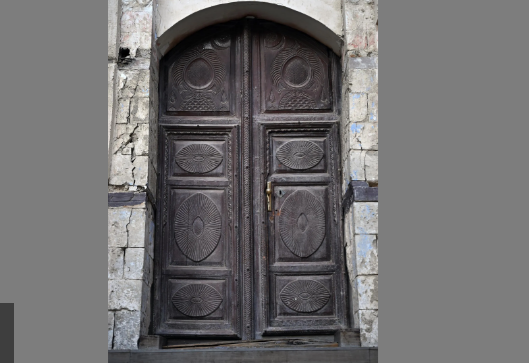

The old wooden doors scattered throughout the alleys and lanes of historic Jeddah embody the features of authentic Hijazi architecture, as they are both functional and decorative elements that have retained their aesthetics over hundreds of years, becoming a symbol of the architectural identity that qualified the region to be included in the UNESCO World Heritage List.
These doors are made from teak and walnut wood imported from India and East Africa, known for its durability and ability to withstand climatic factors. They are then inlaid with large iron nails and decorated with arabesque motifs and precise geometric and floral patterns, revealing the creativity of local craftsmen in Jeddah, who have developed this craft generation after generation.
Wooden doors serve multiple architectural functions, most notably protecting homes from the summer heat and providing ventilation through delicate decorative openings, as well as being an aesthetic facade. Some doors also include double layers; a large outer layer for visitors, and another small layer known as the "door peephole," which facilitates entry and exit without the need to open the main door.
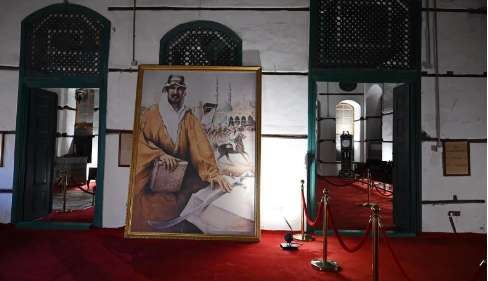
As part of the efforts to preserve historic Jeddah within the Kingdom’s Vision 2030, dozens of historic wooden doors underwent meticulous restoration by specialized craftsmen, using the same original wood, while documenting and preserving the inscriptions and decorations, to remain witnesses to the stages of development of Hijazi society and its methods of coexisting with the environment.
The wooden doors in historic Jeddah remain silent witnesses to the fragrance of the past, bearing within their engravings tales of trade and sea voyages, and confirming that architecture is not just walls, but a living memory that preserves the identity of the place and the spirit of its people.