
تحولت المعارض العقارية الكبرى، وفي مقدمتها سيتي سكيب العالمي 2025 في الرياض، إلى ساحات تنافسية تتسابق فيها شركات التطوير على جذب الأنظار واستقطاب العملاء وتحقيق أكبر قدر من الصفقات. ومع الزخم الإعلامي والجماهيري الذي تحظى به هذه الأحداث، لم يعد النجاح مجرد مشاركة شكلية، بل فرصة استراتيجية قادرة على تعزيز المبيعات ورفع سمعة الشركة وترسيخ ثقة المستثمرين. وبين آلاف الزوار وتعدد المشاريع المعروضة، يتضح أن الجناح المضيء أو العروض التسويقية وحدها لم تعد كافية. فالمشاركة الفعالة تتطلب خطة مدروسة واستعدادًا دقيقًا يضمن تميز الشركة وتقديم تجربة راقية تسهم في تحويل الاهتمام إلى مبيعات حقيقية.
ويقدم هذا التقرير خارطة طريق تساعد شركات التطوير على الاستفادة القصوى من وجودها في المعارض العقارية عبر تحديد ما يجب القيام به وما يجب تجنبه لضمان حضور مؤثر ينعكس إيجابًا على المبيعات والسمعة.
التخطيط المبكر… حجر الأساس
المشاركة الناجحة لا تبدأ يوم الافتتاح، بل قبل ذلك بأشهر عبر تحديد الأهداف بوضوح، سواء كانت لتحقيق مبيعات مباشرة، أو إطلاق مشروع جديد، أو تعزيز العلامة التجارية. ويشمل التخطيط أيضًا تحديد الهوية التسويقية للجناح، واختيار المشاريع المناسبة للعرض، وتحديد الجمهور المستهدف. هذا النوع من التحضير يجعل المشاركة استثمارًا حقيقيًا بدل أن تكون مجرد تواجد عابر.
جناح يعكس الهوية بلا مبالغة
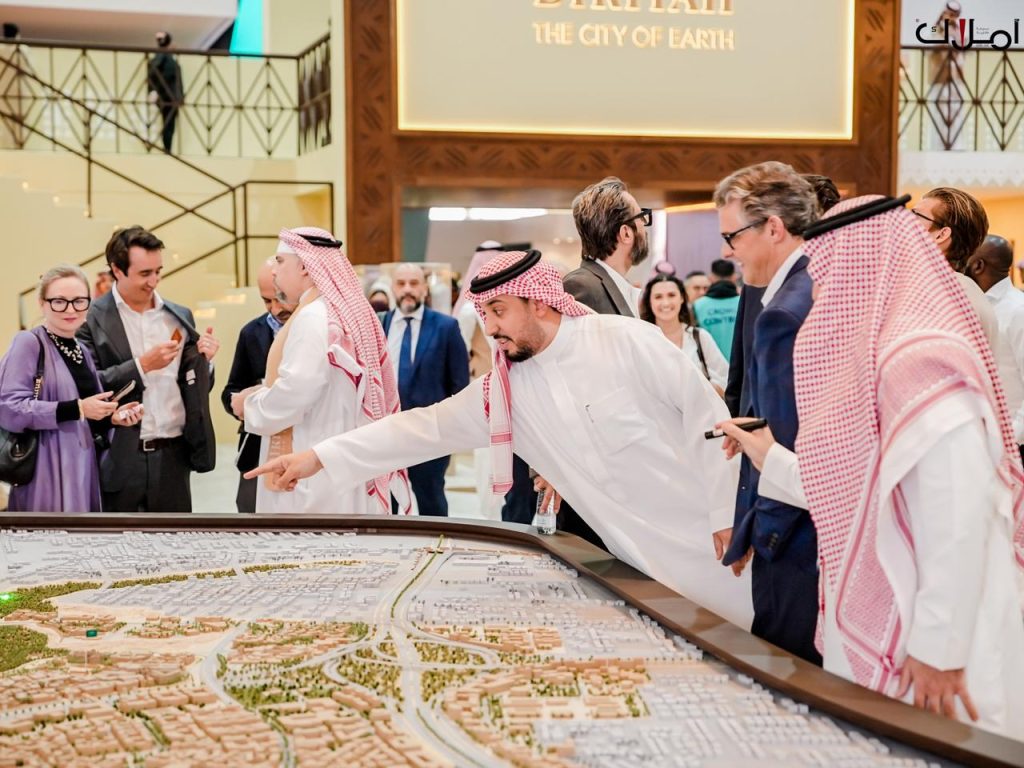
يلعب تصميم الجناح دورًا حاسمًا في جذب الزوار، شرط أن يجمع بين التنظيم والوضوح وأن يعكس هوية الشركة. وجود شاشات تفاعلية ونماذج واقعية يسهم في توصيل الفكرة للعميل بسهولة، بينما تساعد المساحات المنظمة على سهولة الحركة داخل الجناح. أما المبالغة في الإبهار البصري فقد تجذب الأنظار لحظيًا، لكنها لا تبني ثقة طويلة الأمد.
فريق مبيعات مدرّب
كثير من الشركات تخسر عملاءها داخل المعارض بسبب ضعف جاهزية فرق المبيعات. الفريق المحترف يجب أن يمتلك معرفة دقيقة بالمشاريع، وأن يكون قادرًا على الرد على الأسئلة المتكررة، والتعامل مع الزحام، وتقديم حلول تناسب مختلف الميزانيات. فالمبيعات داخل المعارض تعتمد على سرعة الرد وجودة الإقناع، وهو ما لا يتحقق إلا عبر تدريب متقن.
وضوح المعلومات
العميل اليوم يبحث عن حقائق لا وعود. السعر، المخطط، جدول السداد، الضمانات، وتاريخ التسليم يجب أن تكون جميعها واضحة ومباشرة. أي غموض أو تضارب في المعلومات يؤدي سريعًا إلى فقدان العميل، حتى لو كان المشروع جذابًا.
تجنب الضغط على العميل
تلجأ بعض الشركات إلى الضغط على العميل بحجة “العرض محدود” أو “آخر وحدتين”. ورغم أن هذا الأسلوب قد يحقق مبيعات لحظية، إلا أنه غالبًا يؤدي إلى تراجع الثقة أو إلغاء العقود لاحقًا. الأفضل هو توفير عروض حقيقية تمنح العميل أسبابًا طبيعية للشراء.
عروض واقعية وليست دعائية
الشركات الناجحة تقدم عروضًا قابلة للتحقق، مثل خصومات شفافة أو تسهيلات واقعية أو خدمات إضافية واضحة، بدل تقديم وعود كثيرة تحاصرها الاستثناءات. فالعروض المبالغ فيها قد تجلب العملاء، لكنها تضر سمعة الشركة لاحقًا إذا لم يتم تنفيذها.

التكنولوجي شريك ضروري للمشاركة الحديثة
يتوقع زوار المعارض تجربة سلسة وحديثة، وهو ما يجعل استخدام الجولات الافتراضية، التطبيقات الرقمية، أنظمة التسجيل الإلكتروني، ولوحات البيانات التفاعلية جزءًا من نجاح المشاركة. هذه الأدوات توفر الوقت وتزيد من قدرة الشركة على إقناع العملاء.
قاعدة بيانات قوية
يُعدّ جمع بيانات العملاء بشكل منظم جزءًا أساسيًا من قيمة المشاركة. لكن البيانات غير المصنفة أو غير الدقيقة تتحول إلى عبء بلا فائدة. لذلك يجب تنظيمها حسب الميزانية واهتمامات العميل لضمان إمكانية المتابعة الفعّالة لاحقًا.
المتابعة مع العملاء بعد المعرض
غالبية العملاء يتخذون قرار الشراء بعد انتهاء المعرض، وليس خلاله. لذلك تحتاج الشركات إلى خطة متابعة تشمل الاتصالات ورسائل الشكر والعروض الممتدة وتنظيم زيارات للمشاريع. وقد تضاعف هذه الخطوة وحدها مبيعات المعرض بشكل كبير.
تقييم مشاركة الزوار
بعد انتهاء الحدث، يجب دراسة الأداء بدقة عبر تحليل عدد العملاء، جودة العملاء، الصفقات الفعلية، أداء الفريق، إضافة إلى تحديد نقاط القوة والضعف. هذا التقييم يساعد الشركات على تحسين استراتيجياتها في المشاركات القادمة.
أخطاء يجب تجنبها
من أبرز الأخطاء التي تقع فيها بعض الشركات: المبالغة في الوعود، نقص المعلومات الدقيقة، إهمال المتابعة، تجاهل المنافسة، الفوضى داخل الجناح، والتعقيد في العروض، إضافة إلى الاعتماد على الديكور أكثر من المحتوى. مثل هذه الأخطاء قد تكلف الشركات ثقة العملاء وتضعف أثر المشاركة.