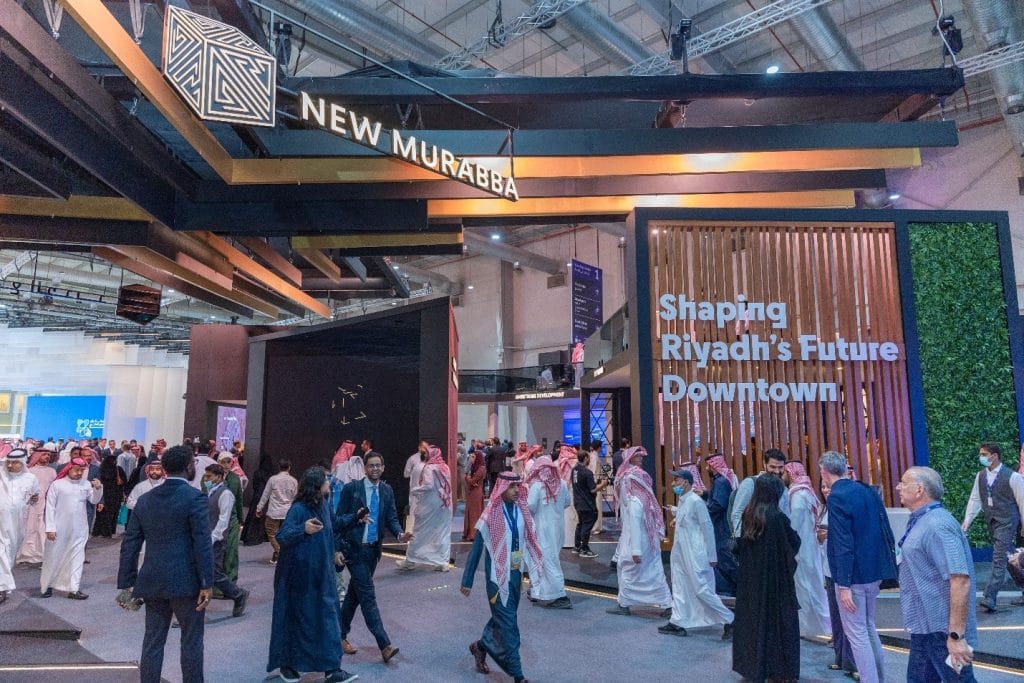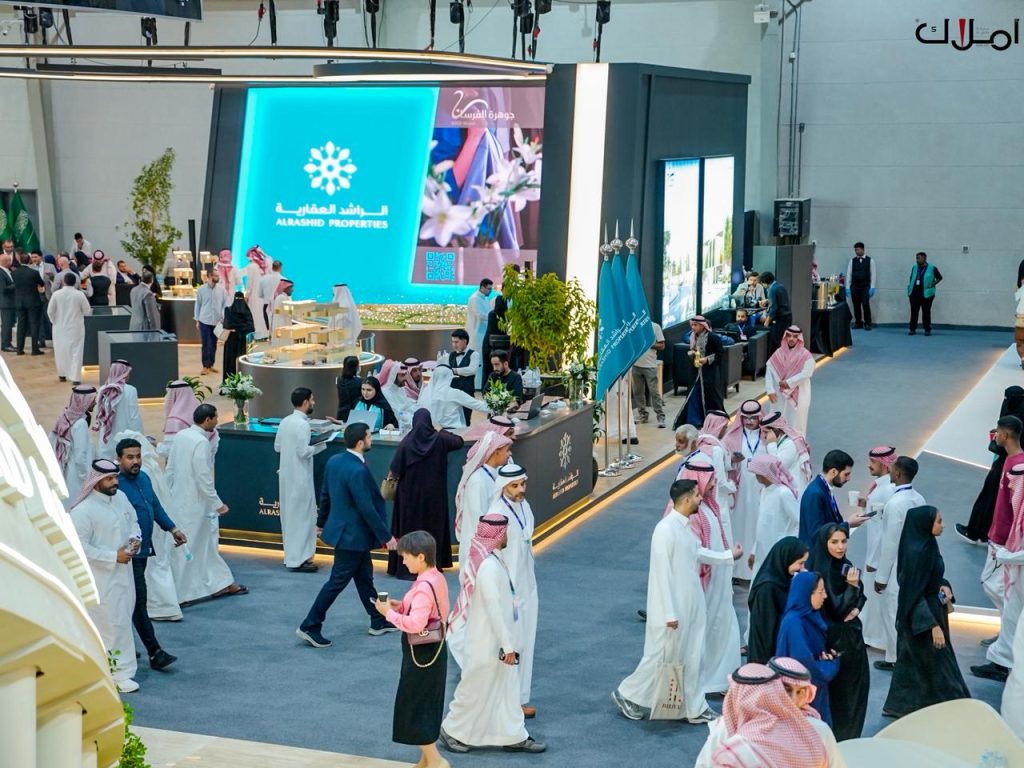

With the launch of Major Real Estate Exhibitions, real estate brokers return to the forefront as the link between developers and clients, and the most capable of turning the momentum of these events into realistic deals. But a real estate broker's participation in exhibitions is not just a mere presence on the exhibition stand, but a professional test that requires exceptional preparation, mental presence, the ability to read the market, and present a convincing value to the client looking for investment or residential opportunities. While some brokers achieve remarkable successes inside exhibitions, others make mistakes that hinder their full utilization of this occasion."
While some brokers achieve remarkable successes inside exhibitions, others make mistakes that hinder their full utilization of this occasion.
Early preparation reflects professionalism
The success of the Realtor begins before the doors of the show open. Preparation for the event includes studying the projects on display, reviewing details of plans, prices and special offers, along with a thorough understanding of the strengths of each project. Industry experts emphasize that ”front row" brokers are the ones who enter the show with ready answers to any potential question from the audience, from financing mechanisms to expected return on investment.
Networking is also key. Pre-engagement with developers is also a key step, as it gives the broker an opportunity to obtain special privileges, or additional marketing offers that can be presented to the client at the show to maximize the chances of closing.
H4>
During show hours, visitors expect to meet intermediaries who are able to explain in simple and accurate terms, not just rushed marketing. The role of the broker is to read the client's personality and guide them towards the most suitable options rather than trying to sell any project at any price. A professional performance is based on building trust first and then opening a dialog about the needs, financial ability and the goal of the purchase. The ability to communicate is also important.
<The ability to manage time is also a critical skill, especially at major events with a large influx of visitors. A successful mediator will ensure a balance between allocating enough time to each client and maintaining a fast pace that allows for an increased number of interactions without losing quality. The ability to manage time is also a critical skill, especially at large events where there is a large influx of visitors.
An active presence at the booth
Avoid unrealistic promises
<It is a common mistake for some brokers to make exaggerated marketing promises, whether in terms of delivery dates, investment returns or financial facilities. Such promises may seem tempting in the moment, but they often backfire on the reputation of the broker and the company, and lose the client's confidence in the entire sector.
The broker must also fully comply with the laws and regulations governing real estate marketing, especially avoiding repeating inaccurate information or sharing unverified figures, in addition to respecting the policies of official platforms such as "Completion“, ”Brokers" and off-plan sales systems.
These promises may seem tempting in the moment, but they often backfire negatively on the reputation of the broker and the company, and lose the customer's confidence in the entire sector.
Moving from a quick meeting to a long-term relationship
Post-show is the tipping point that defines the value of participation. Reaching out to potential customers, sending out introductory materials and re-explaining details is an extension of the marketing effort that began at the show. Some experts say that 70% of a broker's success at exhibitions is related to the ”post-event“ phase, not the event itself.
Entering customers into an up-to-date database and coming back to them with follow-up offers or updates can turn a brief interaction at the show into a real sales opportunity over a sustainable timeline.
Professional language that reflects the organization's identity
Appearance and first impressions play a pivotal role in a medium's performance within an exhibition. Many visitors base their decision to continue a conversation on a few seconds, measured by body language, greeting style, and manner of explanation. While some brokers focus on the physical presentation of the project, professionals focus on building a professional identity for the broker as a "consultant" rather than a "seller."
While some brokers focus on the physical presentation of the project, professionals focus on building a professional identity for the broker as a "consultant" rather than a "seller.
Exceptional opportunity for those who know how to capitalize on it
Real estate fairs are the biggest stage for showcasing new projects, but they are also a competitive space that tests brokers' abilities to provide added value to the client. While some succeed in turning exhibition days into a sales engine, others lose the opportunity due to poor preparation or communication and marketing mistakes.
But one thing is certain. However, a well-prepared real estate broker who respects market regulations and offers realistic and transparent solutions can turn their presence at any real estate exhibition into a springboard to new relationships and successful deals.
What is certain is that a real estate broker can turn his or her presence at a real estate exhibition into a springboard to new relationships and successful deals.