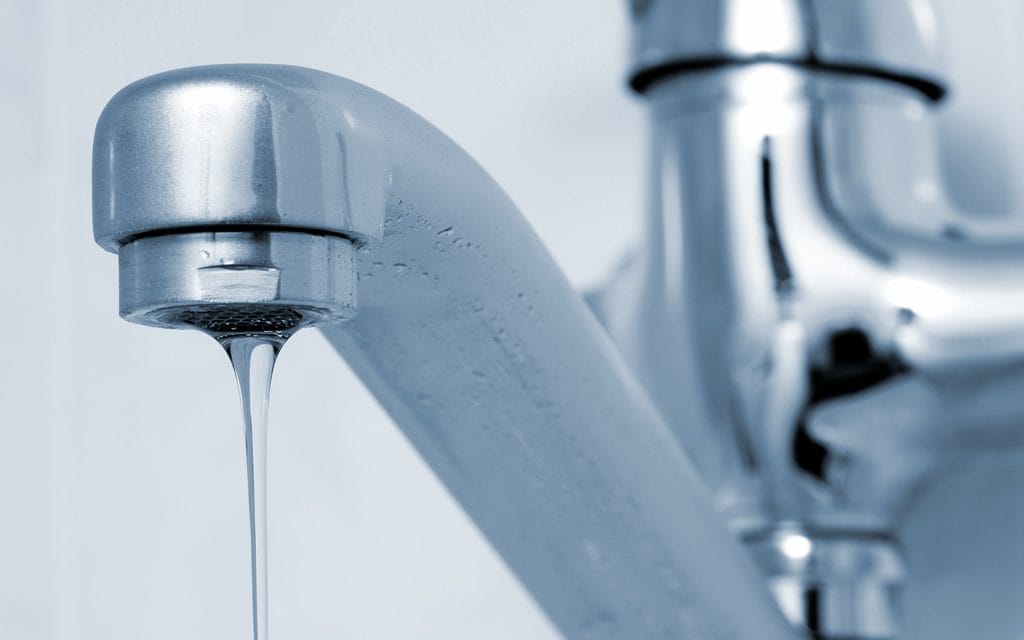

As the world faces increasing environmental and water challenges, the focus on rationalizing water consumption and minimizing water loss has become paramount. Modern plumbing systems are one of the most practical solutions adopted by homes, commercial and industrial buildings to achieve this goal, as these systems provide precise control of water flow and significantly reduce the leaks and wastage that often occur in traditional systems.
Modern plumbing systems provide precise control of water flow and significantly reduce the leaks and wastage that often occur in traditional systems.
1- The importance of modernizing plumbing systems
Studies show that old buildings with traditional plumbing systems lose significant percentages of water due to undetected leaks and inefficient devices. This loss puts additional strain on public water systems and increases maintenance and consumption costs. Modern plumbing systems provide accurate water flow monitoring, including leakage sensors, smart shut-off valves, and corrosion-resistant pipe networks.
Modern plumbing systems provide accurate water flow monitoring, including leakage sensors, smart shut-off valves, and corrosion-resistant pipe networks.
2- Smart technology in plumbing
Recent years have seen a boom in plumbing technology, with modern systems relying on internet-connected smart devices to create “smart homes” that control water usage automatically. For example, smart water valves are able to shut off water as soon as a leak is detected, while digital flow meters help monitor consumption in real time, enabling households and commercial buildings to adjust their consumption more efficiently
Digital flow meters help monitor consumption in real time, enabling households and commercial buildings to adjust their consumption more efficiently
3- Reduce waste and preserve the environment
Reducing water loss is not only about lowering bills, it also extends to conserving natural resources. Modern systems reduce the pressure on water treatment plants and minimize the need to pump additional amounts of water from natural sources. According to experts, implementing smart plumbing systems in new buildings can reduce water loss by 20 to 40%, depending on the size of the building and the efficiency of the equipment used.
4- Practical applications in modern buildings
In residential buildings, corrosion-resistant hoses and pipes, smart controls, and graywater recycling units are used to irrigate gardens and toilets. In commercial and industrial buildings, smart monitoring systems help detect leaks in record time, preventing damage caused by water buildup or sudden breakdowns in piping networks.
In residential buildings, corrosion-resistant hoses and pipes, smart control shutters, as well as gray water recycling units are used to irrigate gardens and toilets.
5- Challenges and development opportunities
Despite the great benefits of modern plumbing systems, these systems face challenges related to the cost of installation and maintenance, especially in older buildings that need a complete renovation of the plumbing infrastructure. However, expanding the use of these systems is a long-term investment that saves money and maintains the sustainability of water resources. Governments and environmental authorities in some countries are also offering incentives to support the installation of modern plumbing systems to reduce water loss in homes and commercial buildings.
6- The Smart Future of Water Management
With the increasing reliance on smart technologies and the Industrial Internet of Things (IoT), modern plumbing systems are expected to become more integrated, where water consumption can be fully controlled remotely, data analyzed to anticipate potential failures, and detailed reports on water efficiency. This transformation reflects a sustainable vision of water management, laying a foundation for improving the quality of life and effectively reducing waste.