مع تقدم العمر، تصبح تفاصيل الحياة اليومية أكثر حساسية، ويكتسب المكان الذي نعيش فيه بُعدًا جديدًا من الأهمية، ليس فقط من حيث الجمال أو الذوق، بل من حيث الراحة، الأمان، وسهولة الاستخدام. في هذا السياق، يبرز دور التصميم الداخلي كعامل أساسي في تعزيز جودة الحياة لكبار السن، حيث لم يعد الديكور مجرد رفاهية، بل ضرورة صحية ونفسية. فكيف يبدو التصميم المثالي الذي يُراعي احتياجاتهم ويمنحهم الاستقلال والطمأنينة داخل منازلهم؟
لماذا يحتاج كبار السن إلى تصميم خاص؟
مع التقدم في السن، يواجه الأفراد تحديات تتعلق بالحركة، الرؤية، التوازن، وحتى الذاكرة. وتشير منظمة الصحة العالمية إلى أن البيئة السكنية غير الملائمة يمكن أن تكون أحد أسباب الحوادث المنزلية الأكثر شيوعًا بين كبار السن، مثل السقوط أو الاصطدام بالأثاث. لذلك، فإن تصميم المساحات المعيشية بطريقة تراعي هذه التحديات لا يعزز فقط الراحة الجسدية، بل يقلل من التوتر النفسي ويزيد من الشعور بالاستقلالية.
مبادئ التصميم المناسب لكبار السن
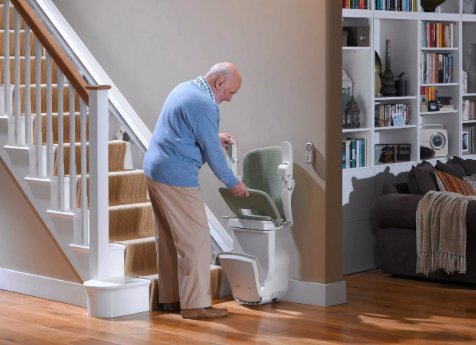
1. سهولة الحركة والتنقل:
تجنب استخدام السجاد السميك أو المفروشات التي تعيق الحركة.
تصميم ممرات ومداخل واسعة بما يسمح بمرور الكراسي المتحركة أو المشايات.
تقليل العتبات المرتفعة بين الغرف واستخدام الأرضيات المستوية غير الزلقة.
2. الإضاءة الجيدة والمتدرجة:
الإضاءة عنصر أساسي لتفادي الحوادث، خاصة مع ضعف النظر.
استخدام إضاءة عامة قوية مع وحدات إضاءة موجهة في مناطق الحركة مثل الممرات والدرج.
وضع مفاتيح الإضاءة في أماكن يسهل الوصول إليها، مع إمكانية التحكم عن بعد أو تلقائيًا (حساسات الحركة).
3. أثاث مريح وآمن:
كراسي وأرائك ذات ارتفاع مناسب لسهولة الجلوس والقيام.
زوايا مستديرة لتقليل خطر الاصطدام.
أسِرّة قابلة للتعديل أو بأسطح مريحة تقلل من آلام الظهر والمفاصل.
4. حمام ومطبخ بتصميم ذكي:
مقابض للإمساك بجانب المرحاض والدُش.
أرضيات مانعة للانزلاق.
صنابير سهلة الفتح بمقابض كبيرة.
أجهزة مطبخ بأزرار واضحة وسهلة الاستخدام.
5. ألوان هادئة وتباين بصري:
استخدام ألوان مريحة للعين مثل الأزرق الفاتح أو البيج.
تباين بين الأرضية والجدران والأثاث لتسهيل تمييز الحدود البصرية.
التكنولوجيا المساعدة: حين يدعم الذكاء راحة الكبار
بات دمج التكنولوجيا الذكية في المنزل عاملاً مهمًا لدعم كبار السن، ومن أبرز الأمثلة:
أجهزة استشعار للحركة ترسل تنبيهات في حال وقوع الشخص أو توقفه عن الحركة.
مساعدات صوتية ذكية تتيح التحكم في الإضاءة ودرجة الحرارة والاتصال الهاتفي دون الحاجة للحركة.
أجهزة مراقبة صحية مرتبطة بتطبيقات تنقل المعلومات للأطباء أو أفراد الأسرة.
أبواب كهربائية ونوافذ آلية تسهّل الاستخدام اليومي.
الراحة النفسية لا تقل أهمية عن الراحة الجسدية
الديكور المصمم لكبار السن لا يُعنى فقط بالجوانب التقنية، بل يحمل بعدًا نفسيًا أيضًا، مثل:
توفير لمسات شخصية تثير الذكريات (صور، تحف، أثاث موروث).
خلق ركن للقراءة أو الهوايات القديمة.
توفير إطلالات على الحديقة أو مساحة مفتوحة لإدخال الطبيعة إلى حياتهم.
تشير الدراسات إلى أن المساحات الدافئة والمألوفة تساهم في تحسين الحالة المزاجية وتقليل معدلات الاكتئاب لدى كبار السن.
كيف تتبنى المجتمعات هذا التوجه؟
تشهد العديد من الدول، خاصة في أوروبا وكندا واليابان، توجهًا نحو إنشاء وحدات سكنية مخصصة للمسنين، تعتمد بالكامل على تصميمات صديقة للسن. وفي عالمنا العربي، بدأت بعض المشاريع السكنية الخاصة والمجتمعات المغلقة في إدماج هذه المعايير داخل وحدات مستقلة للمسنين أو ضمن منازل متعددة الأجيال.