
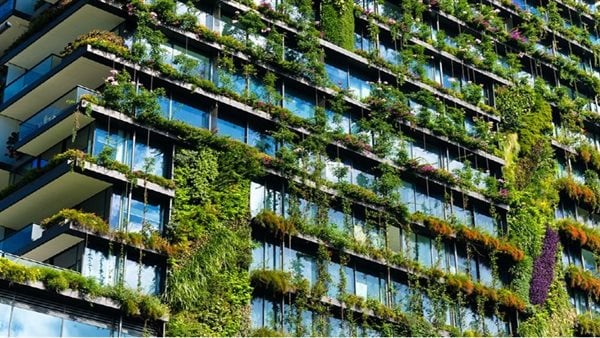
في ظل التحديات البيئية المتزايدة، وتفاقم مشاكل التغير المناخي، وتدهور الموارد الطبيعية، أصبح من الضروري إعادة التفكير في كيفية تصميم وبناء وتشغيل المباني، حتى ظهرت العمارة الخضراء أو المستدامة التي تعتبر منهجية تصميمية تهدف إلى تقليل الأثر البيئي للمباني وتعزيز الاستدامة على المدى الطويل.
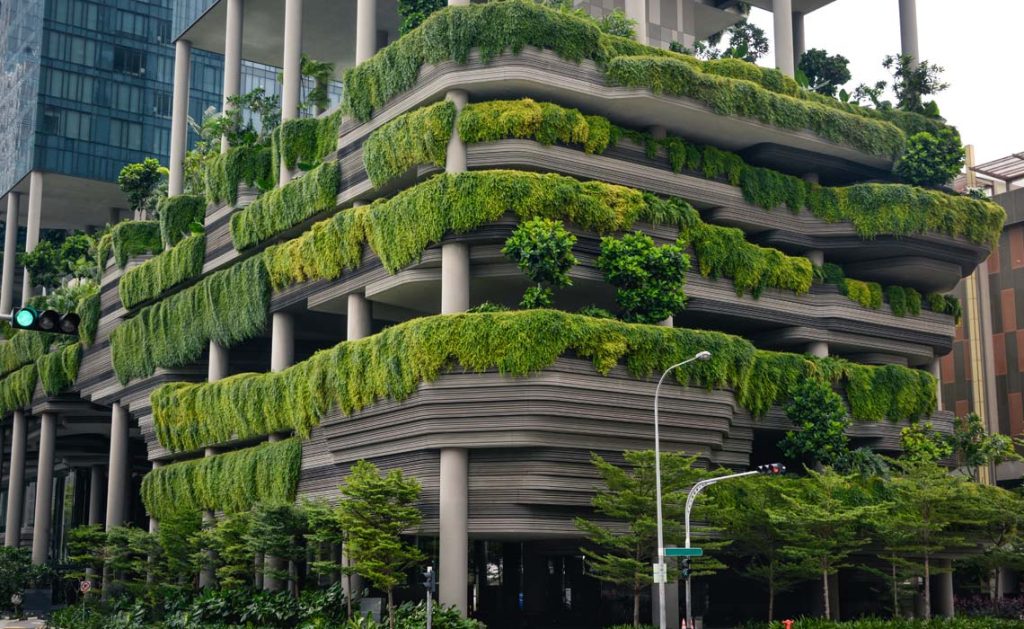
والعمارة الخضراء هي ممارسة تصميم وتشييد المباني بطريقة تجمع بين الجمالية والكفاءة وتحترم البيئة وتقلل من استهلاك الموارد الطبيعية. ويشمل هذا المفهوم استخدام مواد بناء قابلة للتدوير أو ذات أثر بيئي منخفض، وتصميم المباني لتكون أكثر كفاءة في استهلاك الطاقة والمياه، وضمان جودة الهواء الداخلي، وتقليل النفايات الصلبة. وتشمل الأهداف الرئيسية للعمارة الخضراء تحسين الكفاءة الاقتصادية، وتعزيز رفاهية المستخدمين، وتحقيق توازن بين النمو العمراني وحماية البيئة.
حجم سوق العمارة الخضراء
وخلال العقد الأخير، شهد سوق العمارة الخضراء نموًا كبيرًا، حيث تزايدت الاهتمامات العالمية بضرورة مواجهة التغيرات المناخية والحد من انبعاثات الكربون، إذ أنه وفقًا لتقرير صادر عن شركة Grand View Research، من المتوقع أن يصل حجم سوق العمارة الخضراء العالمي إلى أكثر من 423 مليار دولار بحلول عام 2027، مع معدل نمو سنوي مركب يقارب 10.3%. هذه الأرقام تعكس الطلب المتزايد على المباني المستدامة التي تتبنى ممارسات تصميم صديقة للبيئة وتساهم في تقليل استهلاك الموارد.
وفي المنطقة العربية، ورغم أن مفهوم العمارة الخضراء لا يزال في مراحله المبكرة مقارنة بالدول الغربية، إلا أن هناك توجهًا متزايدًا نحو تبني هذه الممارسات، خاصة في دول الخليج. مثل رؤية المملكة 2023، ونظام “دبي للمباني الخضراء” اللذان يشجعان على اعتماد ممارسات العمارة الخضراء في المشاريع الجديدة، مما يساهم في نمو السوق المحلي لهذه العمارة.
مزايا العمارة الخضراء
توفر العمارة الخضراء مجموعة واسعة من المزايا التي تتجاوز مجرد الحفاظ على البيئة. تشمل هذه المزايا:
-
الحفاظ على البيئة:
من خلال تقليل استهلاك الموارد الطبيعية والحد من الانبعاثات الكربونية، تسهم العمارة الخضراء في حماية البيئة وتخفيف آثار التغير المناخي. المباني الخضراء مصممة لتقليل النفايات، وتشجيع إعادة التدوير، واستخدام مصادر الطاقة المتجددة مثل الطاقة الشمسية والرياح.
-
توفير الطاقة والمياه:
تتميز المباني الخضراء بكفاءة عالية في استهلاك الطاقة والمياه. يتم ذلك من خلال استخدام تقنيات مثل العزل الحراري المتقدم، والإضاءة الطبيعية، وتجميع مياه الأمطار، وإعادة استخدام المياه الرمادية. هذه الكفاءة تسهم في تقليل تكاليف التشغيل وتوفير الموارد على المدى الطويل.
-
تحسين جودة الحياة:
توفر المباني الخضراء بيئات معيشية وصحية أفضل، حيث يتم تصميمها لضمان جودة الهواء الداخلي وتقليل التعرض للمواد الكيميائية الضارة. الإضاءة الطبيعية والمساحات الخضراء المحيطة تساهم في تعزيز الراحة النفسية والإنتاجية للسكان.
-
الامتثال للمعايير الدولية:
مع تزايد الاهتمام العالمي بالاستدامة، أصبحت العمارة الخضراء معيارًا هامًا في صناعة البناء. الامتثال للمعايير الدولية مثل “LEED” (القيادة في تصميمات الطاقة والبيئة) يساهم في تعزيز سمعة الشركات المعمارية والعقارات ويجعلها أكثر جذبًا للمستثمرين والمستخدمين.
-
العوائد الاقتصادية:
على الرغم من أن التكاليف الأولية للعمارة الخضراء قد تكون أعلى، إلا أن العوائد الاقتصادية على المدى الطويل تعتبر مجزية. المباني الخضراء تساهم في تقليل تكاليف الطاقة والمياه والصيانة، كما أنها تزيد من قيمة العقارات وتجعلها أكثر تنافسية في السوق.
آليات استخدام العمارة الخضراء
تتطلب العمارة الخضراء تكاملاً بين مختلف جوانب تصميم المبنى وعملياته التشغيلية. وفيما يلي أبرز الآليات المستخدمة لتحقيق الاستدامة في المباني:
-
التصميم البيئي المتكامل:
يبدأ البناء المستدام من مرحلة التصميم، حيث يتم اعتماد منهجيات التصميم البيئي المتكامل (Integrated Environmental Design) لضمان أن جميع عناصر المبنى تعمل بشكل متكامل لتقليل استهلاك الطاقة والمياه وتحسين جودة البيئة الداخلية.
-
استخدام مواد بناء مستدامة:
تشمل المواد المستدامة تلك التي تكون قابلة لإعادة التدوير، أو المصنوعة من مصادر متجددة، أو التي تساهم في تقليل استهلاك الطاقة. على سبيل المثال، يُفضل استخدام الخشب المعتمد من الغابات المستدامة، والخرسانة المعاد تدويرها، والزجاج العازل، والمواد منخفضة الانبعاثات الكربونية.
-
تقنيات الطاقة المتجددة:
تشمل هذه التقنيات استخدام الطاقة الشمسية لتوليد الكهرباء وتدفئة المياه، وأنظمة التدفئة والتبريد الجوفية، وتوربينات الرياح. يتم تصميم المباني الخضراء لتقليل الاعتماد على الطاقة التقليدية وتعزيز استخدام الطاقة المتجددة.
-
إدارة المياه:
تُستخدم أنظمة متقدمة لإدارة المياه، مثل جمع مياه الأمطار، وإعادة استخدام المياه الرمادية، واستخدام تركيبات صحية منخفضة التدفق لتقليل استهلاك المياه. هذه التقنيات تساعد في تقليل الضغط على مصادر المياه العذبة وتحسين كفاءة استخدام المياه.
-
تحسين جودة الهواء الداخلي:
الاهتمام بجودة الهواء الداخلي هو عنصر أساسي في العمارة الخضراء. يتم تحقيق ذلك من خلال استخدام أنظمة تهوية فعالة، واستخدام مواد بناء خالية من المركبات العضوية المتطايرة (VOCs)، وضمان إمدادات كافية من الهواء النقي داخل المبنى.